Local life · Kitchener, Ontario
Published
The Remember Me Walk ends. Kitchener’s work of remembrance continues.
The Healing of the Seven Generations organises the Remember Me Walk and supports people affected by residential schools and intergenerational harm. Its 2026 walk has taken place. Learn through Indigenous-led sources and follow the organisation’s current requests for support rather than relying on an old event time.
Facts checked
In this story
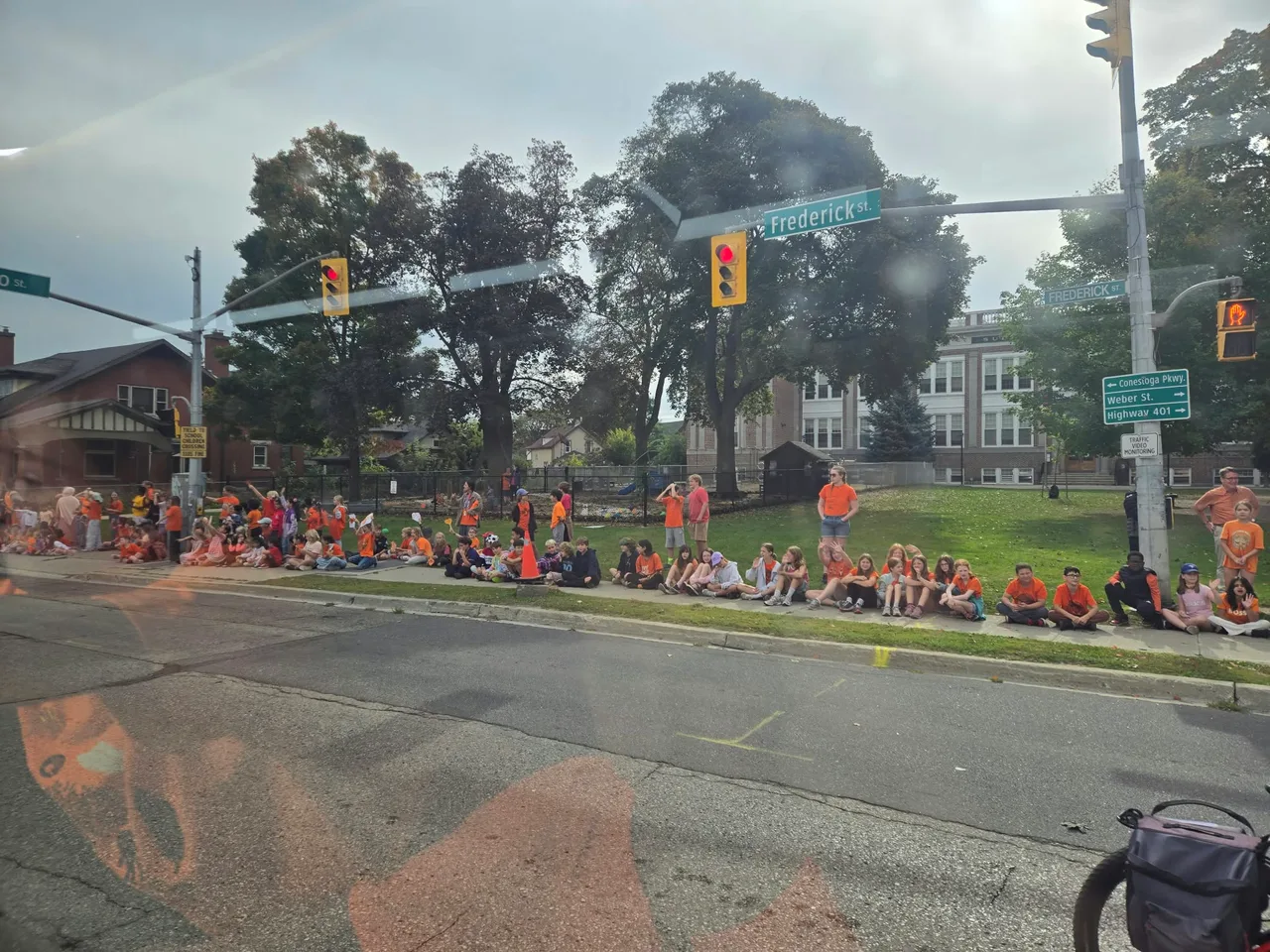
A walk is made of more than the people at the front
After Kitchener’s 2026 Remember Me Walk, The Healing of the Seven Generations thanked those who attended, shared stories, donated and helped. That list captures the different ways people make an occasion of remembrance possible, including work a photograph may never show.
The walk honours children and survivors of residential schools. The organisation behind it serves Waterloo Region and surrounding areas, so its purpose is also connected to people living here now, not only a history observed at a distance.
Source: The Healing of the Seven Generations: Remember Me Walk 2026
Source: The Healing of the Seven Generations: mission and vision
The support carries on between public occasions
The Healing of the Seven Generations describes individual and group support, traditional teachings, culturally accessible healing and work with Knowledge Keepers. These respond to residential-school impacts that continue through individuals, families and generations.
A public gathering makes that purpose visible for a day. Its other work gives the day a wider setting. Someone who missed the walk has not missed every opportunity to learn or help; the organisation’s current requests are the useful place to begin.
Source: The Healing of the Seven Generations: mission and vision
Source: The Healing of the Seven Generations: Remember Me Walk 2026
A shirt taken from a child
The National Centre for Truth and Reconciliation connects Orange Shirt Day with Phyllis Webstad’s account of her new shirt being taken when she arrived at residential school. September also recalls the season when children were separated from their homes and communities.
The first National Day for Truth and Reconciliation was observed in 2021. The TRC’s 94 Calls to Action, published in 2015, set out responsibilities that extend well beyond an annual event. The colour is a way into that history, not a substitute for it.
Source: National Centre for Truth and Reconciliation: September30
Learning does not require demanding a personal story
Local contributions raised questions about children learning through remembrance and about empathy being confused with accepting personal blame. Expressing sorrow for harm does not mean claiming to have caused it. Reliable, age-appropriate Indigenous-led material offers families a better starting point than hostile arguments.
For future events or support, follow the organisation’s own announcements. No survivor or participant owes a visitor their experience. The people who attended, helped and donated in 2026 show several ways to take part; continuing to listen after the walk is another.
Source: Healing of Seven Generations, Remember Me Walk
Source: The Healing of the Seven Generations: mission and vision
Source: The Healing of the Seven Generations: Remember Me Walk 2026
Source: Healing of Seven Generations, Remember Me Walk
Questions people ask
Who organises Kitchener’s Remember Me Walk?
The Healing of the Seven Generations organises the walk discussed here.
Source: The Healing of the Seven Generations: Remember Me Walk 2026
Has the 2026 walk already happened?
Yes. The organisation has published a thank-you to the people who took part in 2026.
Source: The Healing of the Seven Generations: Remember Me Walk 2026
Can I support remembrance if I missed the walk?
Yes. Follow the organisation’s current information about learning, donations and other ways to help.
Source: The Healing of the Seven Generations: Remember Me Walk 2026
What does The Healing of the Seven Generations do beyond the walk?
Its stated vision includes individual and group support, traditional teachings and culturally accessible healing related to residential-school impacts.
Source: The Healing of the Seven Generations: mission and vision
Where does Orange Shirt Day come from?
The NCTR connects it to survivor Phyllis Webstad’s account of her new shirt being taken on arrival at residential school.
Source: National Centre for Truth and Reconciliation: September30
When was the first National Day for Truth and Reconciliation?
The first national observance was in 2021.
Source: National Centre for Truth and Reconciliation: September30
Where should I look for future details?
Use The Healing of the Seven Generations’ current website and official announcements.
Source: The Healing of the Seven Generations: Remember Me Walk 2026
What are the TRC’s Calls to Action?
The Truth and Reconciliation Commission published 94 Calls to Action in 2015, setting out responsibilities beyond one annual remembrance event.
Source: National Centre for Truth and Reconciliation: September30
Should I ask someone to tell me a personal story?
Respect personal boundaries and let people choose what they wish to share; nobody owes you their experience.
Source: Healing of Seven Generations, Remember Me Walk
Why is September connected to residential-school remembrance?
The NCTR explains that it recalls the season when children were separated from their homes and communities to attend residential schools.
Source: National Centre for Truth and Reconciliation: September30
Something changed? Tell us about a correction.