Local life · Kitchener, Ontario
Published
When your Kitchener apartment includes the neighbours’ soundtrack
An apartment’s sound performance depends on its walls, floors, junctions and other transmission paths, not just whether its frame is wood or concrete. Ask about the actual unit, listen at a normal occupied time and distinguish a neighbour’s experience from a technical sound assessment.
Facts checked
In this story
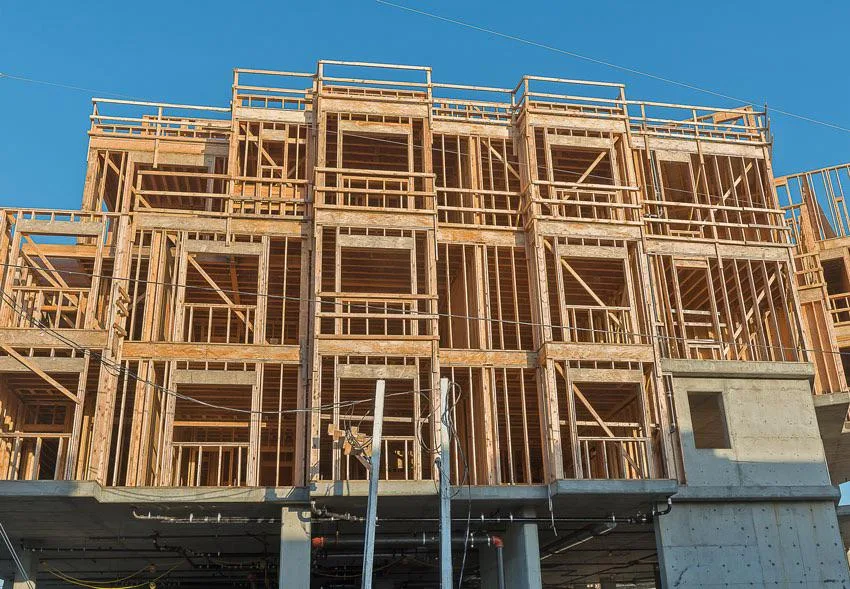
Some extras are better left off the listing
An apartment may come with appliances, parking and, less attractively, a working knowledge of the neighbours’ music. Kitchener renters describing footsteps, bass and conversations were not asking for a life of perfect silence. They wanted some say in which household they were listening to.
One contributor described noise from different directions and cooking smells by a shared wall. Another doubted that faster, cheaper construction had translated into a cheaper home. These are experiences of particular rentals, but the frustration is easy to follow: paying for your own space should feel different from joining the next person’s evening.
Source: These Condo and Apartment buildings are a big mistake
The material argument does not settle the room
Concrete was the preferred answer for some people, while others described quiet wood-frame homes. Those accounts concern different units and arrangements, so they need not cancel each other. A frame label cannot describe every door, floor, junction or piece of equipment.
The National Research Council distinguishes sound travelling directly through a separating wall or floor from flanking sound taking another route. What is connected to the bedroom can matter as well as the wall immediately beside it. The noise, unfortunately, is not obliged to use the most obvious entrance.
Source: These Condo and Apartment buildings are a big mistake
Source: National Research Council: direct and flanking sound
A viewing needs a moment without sales talk
If possible, visit when the building is normally occupied and allow some time to listen. Ask what sits above the bedroom, where equipment or shared amenities are located and whether work is planned nearby. An older local search for a quiet home raised construction outside as a separate concern.
That does not turn a viewing into an acoustic test. NRC notes the importance of details and workmanship, while listing language cannot establish compliance on its own. It does give someone concrete questions beyond whether the kitchen looks recently renovated.
Source: Ontario’s Building Code overview
Source: May 22, 2024: Condo with good sound insulation
Source: National Research Council: direct and flanking sound
Choose the compromise you can live with
Rent, included services, location and the commute all matter. So does being able to rest. Get the present cost and important answers in writing, and keep your own observations distinct from a former tenant’s experience.
The strongest counterpoint to the noisy-rental accounts is not that the occupants should learn to enjoy bass. It is that other homes have worked better for other people. The aim is to discover which kind of experience this unit is likely to offer before the neighbour’s favourite playlist becomes part of the moving-in process.
Source: These Condo and Apartment buildings are a big mistake
Source: Ontario’s Building Code overview
Source: These Condo and Apartment buildings are a big mistake
Questions people ask
Can sound travel between wood-frame apartments?
Sound experiences vary between buildings and units. Listen in the actual home and ask about the floors, walls and surrounding rooms.
Source: These Condo and Apartment buildings are a big mistake
Is a concrete apartment always quieter?
No single material promises silence. Doors, equipment and the paths sound takes through the building still matter.
Source: These Condo and Apartment buildings are a big mistake
When should I view an apartment for noise?
If possible, arrange a viewing at a normal occupied time with the landlord’s permission.
Source: Ontario’s Building Code overview
Which room should I listen in?
Spend some quiet time in the bedroom, especially near shared walls and the ceiling below another unit.
Source: Ontario’s Building Code overview
Should I ask about floors above me?
Yes. Find out what room or activity is above you and ask whether management has relevant noise information.
Source: Ontario’s Building Code overview
What is flanking sound in an apartment?
It is sound reaching the next room by routes other than directly through the wall or floor separating the rooms.
Source: National Research Council: direct and flanking sound
What should I ask about an apartment’s monthly cost?
Ask for the current rent and any separately charged services in writing for the particular unit.
Source: These Condo and Apartment buildings are a big mistake
Why can sound bypass a separating apartment wall?
It can travel through connected floors, walls and junctions by flanking paths, so the separating wall is only part of the result.
Source: National Research Council: direct and flanking sound
How can nearby construction affect an apartment viewing?
A quiet visit may happen before nearby work begins. Ask about planned projects around the building as well as sound inside it.
Source: These Condo and Apartment buildings are a big mistake
What should I record after a viewing?
Keep your observations, the included costs and management’s written answers so you can compare homes fairly.
Source: Ontario’s Building Code overview
Something changed? Tell us about a correction.